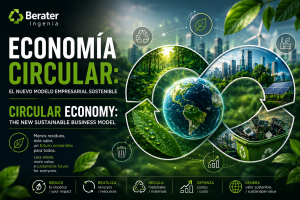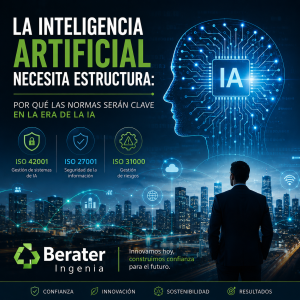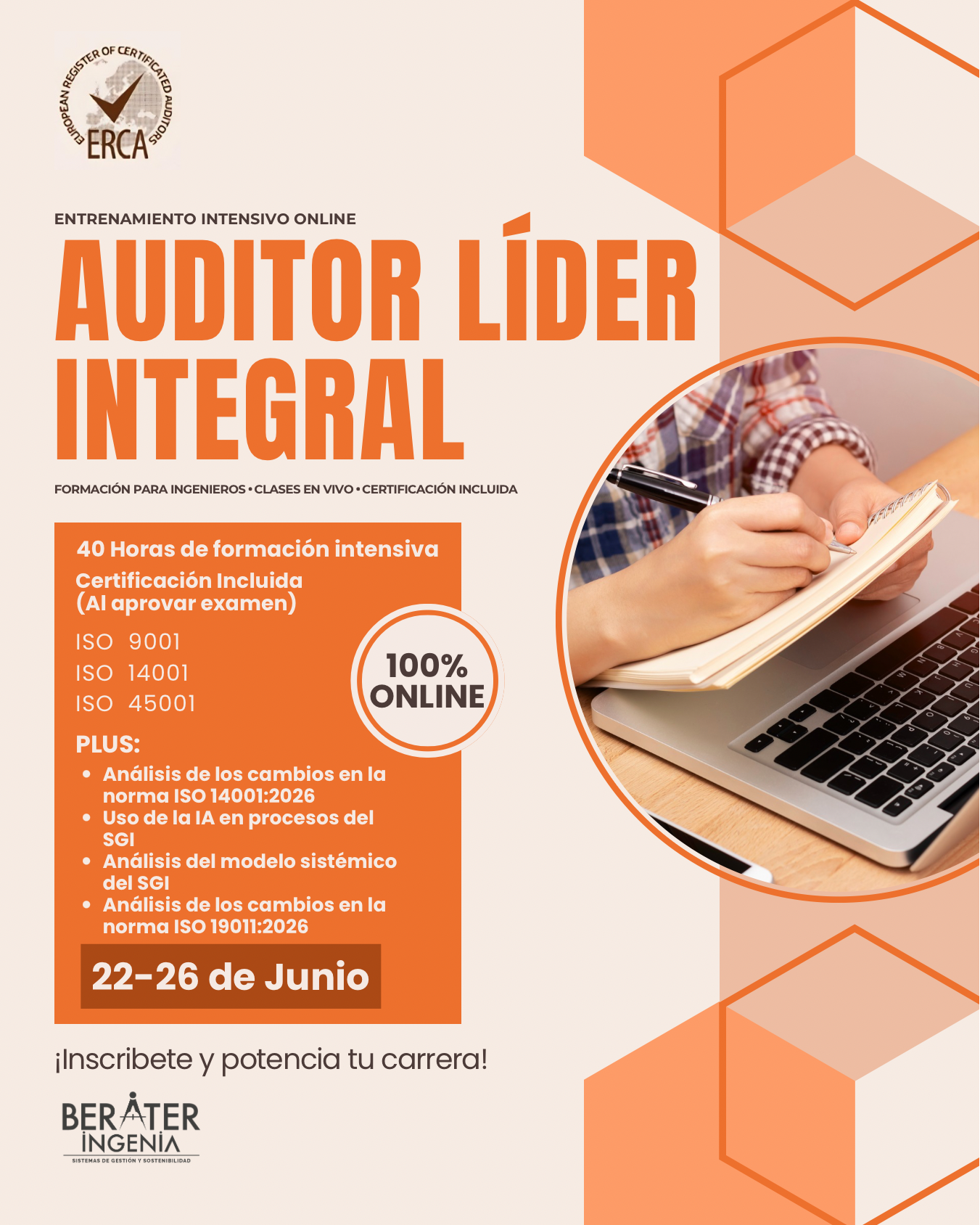


Today, talking about sustainability is no longer optional: it's a requirement of clients, investors, and governments seeking environmentally responsible companies. Along this path, environmental certifications have become key tools for demonstrating a real and structured commitment.
More than a requirement, a commitment to the future
Obtaining environmental certification doesn't just mean "having a green seal," but also implementing internal processes and procedures that ensure responsible resource management. This involves:
- Reduce energy and water consumption.
- Reduces energy and water consumption.
- Prevent pollution and control emissions.
- Promote an organizational culture oriented towards environmental respect.
Every documented procedure and every executed action becomes tangible evidence of the company's commitment to sustainable development.
Standards that support sustainability
There are several international standards that support the framework of corporate sustainability, among the most notable:
- ISO 14001 (Environmental Management): The most recognized worldwide. It helps implement an environmental management system based on continuous improvement, impact identification, and legal compliance.
- ISO 50001 (Energy Management): Focused on energy efficiency, it allows for cost reduction and a reduced carbon footprint.
- ISO 14064 (Carbon Footprint): Standard for quantifying, monitoring, and reporting greenhouse gas emissions.
- ISO 26000 (Social Responsibility): It is not certifiable, but it offers guidelines for organizations to integrate sustainability into all their practices.
Benefits of certifying sustainability
In addition to the positive impact on the environment, environmental certifications generate direct benefits for companies:
- Access to new markets that require responsible suppliers.
- Greater investor and customer confidence.
- Regulatory compliance in the face of increasingly stringent environmental regulations.
- Operational efficiency thanks to optimized use of resources.
- Solid reputation as a company committed to sustainability.
Clousure
Sustainability has stopped being a discourse and has become a business strategy. Investing in environmental certifications means ensuring that the company not only complies with regulations but also generates long-term value for society and the planet.
At Berater Ingenia, we help you implement and certify environmental management systems that transform your commitment into measurable results.